
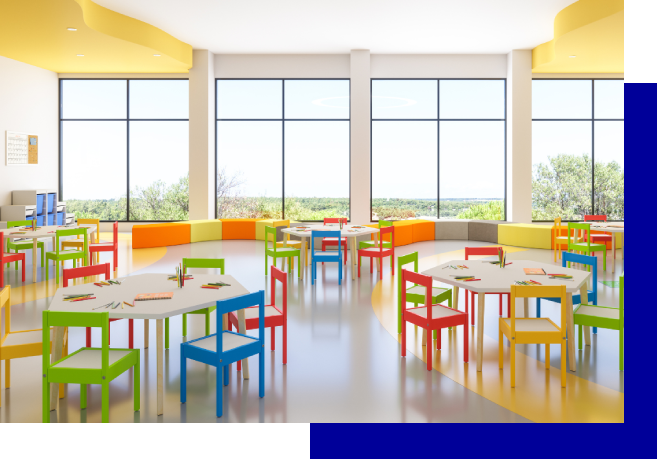
Head Start Safety: Developing a Preventative Maintenance Plan
Keeping children, families, and staff safe is one of the most important responsibilities of every Head Start and Early Head Start program, where facility conditions, classroom environments, and daily operations directly influence learning, health, and long-term outcomes. As buildings age and new risks emerge, having a strong preventive maintenance plan is more critical than ever.
With limited budgets, multiple locations, and strict compliance requirements under the Head Start Program Performance Standards (HSPPS), programs need smart, efficient systems to stay ahead of issues. That’s where SafeFacility®, Dicabi Solutions’ preventative maintenance and facility management software built specifically for Head Start, makes a powerful difference.
This blog covers:
- Why preventive maintenance matters
- Steps to building an effective maintenance plan
- How technology and digital tools help Head Start programs stay safe
- How SafeFacility® streamlines operations and monitoring
- Monitoring requirements for Safe and Sanitary Environments
The Growing Importance of Safety in Head Start Facilities
Head Start facilities face unique challenges. Buildings range from leased community spaces to older centers that require constant upkeep. According to national early childhood studies and facility assessments, aging buildings contribute to issues such as:
- Poor indoor air quality
- Inefficient HVAC systems
- Worn flooring, playground hazards, or outdated equipment
- Fire safety and emergency readiness gaps
At the same time, programs must meet stringent requirements in:
- Health & Safety (1302 Subpart D)
- Facilities (1303.44)
- Emergency preparedness
- State and local building codes
With multiple risks such as weather events, maintenance delays, and safety concerns, programs must be prepared, proactive, and organized. Preventive maintenance is the key to staying ahead of problems and protecting the children and families you serve.
Head Start Monitoring: What Safe and Sanitary Environments Really Mean
As part of the Office of Head Start Monitoring Protocol, reviewers assess whether programs are maintaining safe and sanitary environments across all areas of operation. This includes the safety of staffing, facilities, materials, and equipment, supported by effective monitoring systems, strong policies, and consistent procedures.
Programs must demonstrate:
Safe and Sanitary Environments
How the grant recipient maintains safety in staffing, facilities, materials, and equipment through effective monitoring, policies, and procedures.
Daily and Ongoing Safety Checks
How the grant recipient monitors its facilities, equipment, and materials to ensure they are safe for children.
This means programs must show not only that safety checks are being completed—but that they are documented, consistent, and actionable. Monitoring teams want to see how issues are identified, communicated, resolved, and tracked over time.
Tools like SafeFacility® give programs the ability to capture this evidence easily through digital checklists, automated work orders, real-time alerts, and centralized documentation. Whether it’s a classroom hazard, playground repair, sanitation routine, or equipment inspection, SafeFacility® provides the transparency and reliability needed for successful monitoring outcomes.
Why Preventive Maintenance Matters in Head Start
Preventive maintenance is the ongoing process of inspecting, repairing, and improving facilities before issues occur. For Head Start programs, it ensures safer classrooms, reduces disruptions, and strengthens compliance.
Here’s why it matters:
- Protects Children and Staff: Routine inspections catch issues such as leaks, broken playground equipment, or malfunctioning fire alarms before they become serious hazards.
- Strengthens Compliance: Proactive maintenance helps programs meet federal, state, and local safety requirements, including documentation needed for reviews and Focus Area Two Monitoring.
- Saves Time and Money: Fixing small issues early prevents costly emergencies, unnecessary downtime, and the need for expensive replacements.
- Supports Learning: Safe, clean, and well-maintained environments help children stay focused, engaged, and ready to learn; supporting school readiness every day.
Steps to Building an Effective Preventive Maintenance Plan
Developing a strong plan doesn’t have to be overwhelming. Start with these steps:
1. Conducting a Full Facility Assessment: Evaluate the condition of classrooms, playgrounds, kitchens, vehicles, and equipment. Document risks and recurring concerns.
2. Developing Maintenance Schedules: Create daily, weekly, monthly, and annual schedules for inspections, cleanings, and repairs.
3. Assigning Clear Responsibilities: Define who performs inspections, who submits work orders, and who approves or completes repairs.
4. Implementing Daily Safety Inspections: Use consistent checklists to ensure each environment is safe when children arrive.
5. Tracking Work Orders and Repairs: Document each step, from reporting an issue to resolving it.
6. Reviewing, Adjusting, and Improving: Analyze trends, assess recurring safety issues, and continuously refine the maintenance plan.
How Technology Strengthens Safety & Compliance
Modern facility management tools help programs:
- Automate routine safety inspections
- Maintain digital records
- Track equipment, assets, and repairs in one system
- Reduce human error and improve follow-through
- Respond quickly to hazards or safety concerns
Technology doesn’t replace staff; it empowers them with better systems, clearer communication, and reliable documentation.
How Facility Management Software Supports Head Start
Facility management software is transforming safety operations for educational programs. Instead of juggling paper logs, spreadsheets, and email requests, digital platforms create a streamlined workflow.
Why Head Start Programs Choose SafeFacility®
Software like SafeFacility® helps programs stay Safe and Monitoring-Ready
SafeFacility® is a preventative maintenance and facility management solution designed specifically for the needs of Head Start programs. It centralizes all facility data in one place and streamlines every part of the maintenance and safety process. SafeFacility® helps programs maintain safe, compliant, and well-managed facilities, helping to ensure children always have healthy environments where they can learn and thrive.
SafeFacility® is uniquely designed for Head Start and Early Head Start, built around the real challenges programs face:
- Multiple locations
- Limited maintenance staffing
- High compliance demands
- The need for clean, safe environments daily
With SafeFacility®, programs can:
- Attach documentation and inspection records
- View real-time work order status
- Pull information instantly for monitoring or licensing visits
Key Features Include:
- Daily Safety Checklists with time-stamped documentation
- Automated Preventive Maintenance schedules
- Real-Time Alerts for hazards and needed repairs
- Work Order Management from submission to resolution
- Inventory & Asset Tracking
- Sanitation & Cleaning Logs
- Monitoring-Ready Reporting aligned with OHS expectations
Programs using SafeFacility® report improved communication, fewer safety concerns, smoother monitoring reviews, and increased confidence among staff and leadership.
Ready to Strengthen Your Program’s Safety and Preventive Maintenance?
Dicabi Solutions is here to help.
Schedule a demo to see how our Head Start-designed CMMS can transform your operations, reduce risks, and streamline compliance.
Let us help you build safer, smarter, and more sustainable learning environments.